
Why Australian Muslims Continue to Carry an Unequal Burden After Public Tragedies

For Australian Muslims, conversations about violence, public tragedy, and national security cannot be separated from lived experience. These discussions are not theoretical. They are personal, psychological, and shaped by repeated patterns of collective blame.
That reality was felt acutely during the Bondi Junction attack in 2024, when a man carried out a mass stabbing at the Westfield shopping centre, killing six people and injuring twelve others. As live coverage unfolded and details slowly emerged, Australian Muslims watched with fear, stress, and agitation. For hours, the attacker’s identity remained unknown.
When it finally became clear that the perpetrator was not Muslim, that his name was Joel, an overwhelming sense of relief spread through the Australian Muslim community.
That relief was not political. It was psychological.
Australian Muslims understood exactly what would have followed had the attacker been Muslim: collective blame, public suspicion, demands for condemnation, and calls for apologies. They also knew the violence would almost certainly have been labelled terrorism, a label applied almost exclusively when the perpetrator is Muslim, even in cases involving severe mental health issues. This fear is not imagined. It is learned through experience.

Collective Blame and the Double Standard in Australian Public Discourse
The contrast becomes unmistakable when we look at Christchurch. After the 2019 terrorist attack on Muslim worshippers, no Christian community was asked to apologise. No churches were placed on trial. No collective condemnation was demanded from white Australians or Christians. The response was clear, humane, and correct: the crime belonged to the individual alone.
That same principle must apply universally.
No person should be held responsible for the actions of another. No community should be expected to apologise for crimes it did not commit. Yet when it comes to Muslims in Australia, this standard is applied unevenly. At its core, this is not a debate about identity politics. It is a question of fairness, social cohesion, and whether a democracy applies its principles equally.
How Apologies Reinforce the Logic of Collective Guilt
When standards are applied unevenly, communities adapt to pressure. This is why Muslim individuals and Islamic organisations often rush to issue condemnations and apologies after incidents involving Muslim perpetrators.
While understandable, this response is counterproductive.
It reinforces the very logic that fuels collective blame. It implicitly accepts the idea that the Muslim community stands accused as a whole. In doing so, it undermines the principle of individual responsibility and weakens the community’s position. No other group is expected to meet this standard. Accepting it only entrenches the problem rather than challenging it.
The Real Consequences of Being Treated as a Suspect Community
The consequences of collective blame are not abstract. They are lived.
They were felt during the Bondi Beach attack, when members of the Australian Jewish community celebrating Hanukkah, a festival of light and hope, were targeted. When the names of those responsible were released and it became known that they were Muslim, Australian Muslims experienced deep grief for the victims alongside immediate fear of what would follow.
Families took precautions. Anxiety spread quickly. This fear was real, immediate, and rational, shaped by history, not paranoia.
Later, when the story of Ahmed Al-Ahmed emerged and his courage became known, many Australian Muslims prayed and thanked God. His actions brought light and offered a rare moment of relief. That response alone reveals how heavily the burden of collective blame is carried, and how extraordinary an act of goodness must be to counter it.
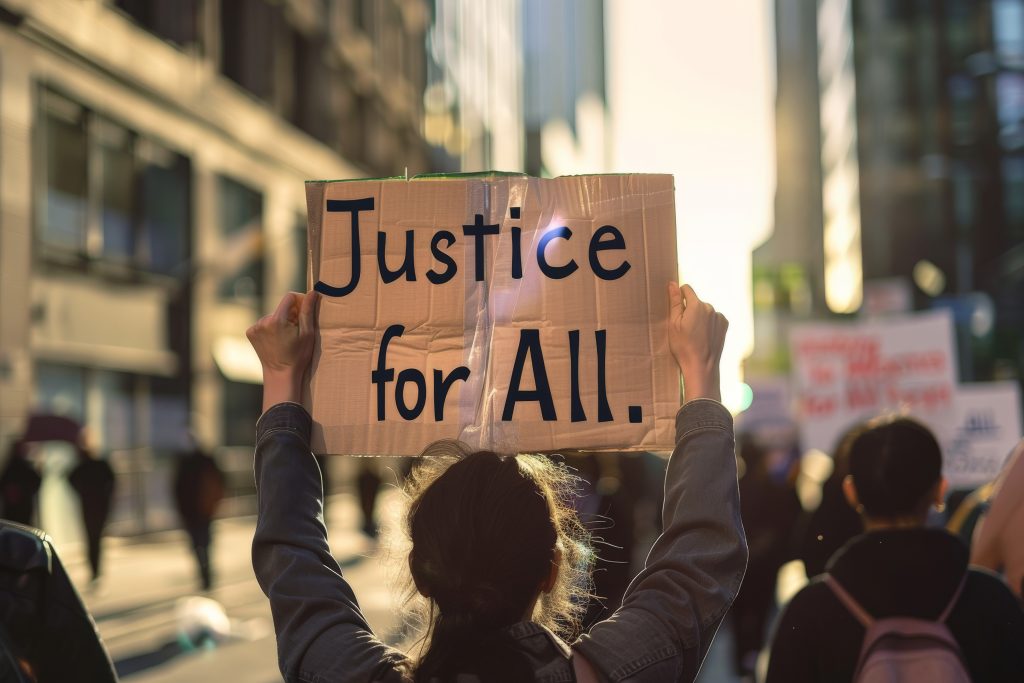
Social Cohesion Requires Consistent Standards, Not Selective Suspicion
Australian society is not monolithic. Across the country, many people have shown solidarity, moral clarity, and support for justice, towards Muslims, towards Palestinians, and towards marginalised communities more broadly. That matters.
The issue is not that everyone is hostile. The issue is that collective blame is tolerated at all. Suspicion is applied selectively. One community is repeatedly asked to explain itself while others are not.
Framing Muslims as a permanently rejected group only reinforces a false narrative. The real question is not acceptance. It is whether Australia applies its standards consistently?
When Islam Is Treated as the Crime Scene
This context explains why Australian Muslims fear being collectively blamed after every major incident. Repeated demands for condemnation send a dangerous message: that Islam itself is on trial.
This framing turns a faith into a problem rather than a belief system followed by nearly two billion people worldwide, including over one million Australians. It creates collective guilt, damages trust, and corrodes social cohesion.
Equality does not require communal apologies. Awareness begins with refusal, refusing to accept guilt by association and refusing to participate in a cycle that singles out one faith.
The Role of Government, Media, and Muslim Leadership
Responsibility does not sit with individuals alone.
The Australian government has a duty to challenge the conditions that allow collective blame to persist. Laws, policies, and public messaging must not single out one faith for suspicion. Political language that repeatedly links Islam with violence has helped entrench harmful assumptions.
The media must uphold accuracy, restraint, and consistency. Violence must be reported without fear-driven framing or selective terminology.
Australian Muslim leadership must also confront uncomfortable truths. Silence, accommodation, and reflexive apologies have not protected the community. They have weakened it. Leadership must assert equality, not manage blame.
Collective Blame Undermines Democracy
Collective blame is unjust. It corrodes democratic values and weakens social trust. When entire communities are treated as suspect by default, equality before the law becomes conditional.
If Australia is serious about social cohesion, it must stop treating one faith as an exception.
Ahmed Ouf
Ahmed.ouf@cumberland.nsw.gov.au
Australia can be a beacon of hope and justice in global affairs. By advocating for a foreign policy rooted in the values of freedom, justice, and equality, we can make a profound impact on the international stage. Together with Ahmed, we can ensure that Australia not only plays a pivotal role in defending human rights but also leads by example in creating a fairer and more just global community for all.
Let’s work together to shape a foreign policy that reflects our ideals and upholds the dignity of every person, everywhere.

